
President

Sara Sigismund
Associate Professor
University of Milan c/o European Institute of Oncology
Department of Oncology and Hemato-oncology
Department of Oncology and Hemato-oncology
Via Adamello 16 - 20139 Milano
phone 02 94372662
Our lab studies the molecular mechanisms governing endocytosis and signaling of the epidermal growth factor receptor (EGFR), and how their alteration contributes to cancer development.
Board Members

Massimo Bonora
University of Ferrara
via fossato di mortara 70 - 44121 ferrara
The group led by Massimo Bonora studies the role of mitochondria as an intracellular signaling platform. Mitochondria are not simple powerhouses of the cell, but dynamic structures that actively process and signal biological information. They act as the processor of the cell and, together with the nucleus and other organelles, constitute a complex system of cellular information processing. Through the integration of biochemical, imaging, and cellular biology techniques, the group focuses on how mitochondria sense and respond to endogenous inputs; integrate information and produce output signals that regulate the functions of other organelles and cellular responses. The mitochondrial signaling system is mainly studied in the regulation of hematopoietic stem cells and alterations in the mechanisms of quiescence, self-renewal, and sensitivity to cell death that cause the onset of malignant hematopoiesis such as myelodysplastic syndromes and acute myeloid leukemias.
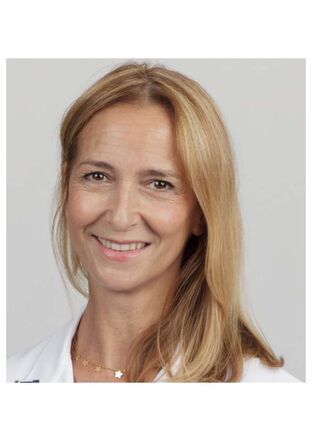
Lucia Di Marcotullio
Università di Roma "La Sapienza"
Dipartimento di Medicina Molecolare -
Dipartimento di Medicina Molecolare -
viale Regina Elena 291 - 00161 Rome
phone 0649255657
Our research focuses on elucidating the regulation of key developmental pathways, such as Hedgehog signaling, and on understanding how their dysregulation contributes to tumorigenesis, with the goal of identifying novel therapeutic targets to support drug development.

Roberto Giambruno
CNR-IRIB
via Ugo La Malfa, 153 - 90146 Palermo
My research interest focuses on the study of RNA-protein and protein-protein interactions in physiological and pathological contexts in mammalian cells. Starting from their identification through -omics technologies, I characterize at the molecular level the impact that specific biological interactions have in cell phyosiology; as well as, how their alteration is linked to human diseases.

Gabriella Minchiotti
CNR
Institute of Genetics and Biophysics "A. Buzzati-Traverso"
Institute of Genetics and Biophysics "A. Buzzati-Traverso"
Via Pietro Castellino, 111 - 80131 Napoli
phone 0816132357 - fax 0816132595
Our research interest is focused on the mechanisms that control phenotypic plasticity in stem cell population and cancer cells. We investigate the role of cell heterogeneity in development and tissue regeneration, using different strategies based on development-inspired cues and unbiased high-throughput phenotypic screenings. Recently, we got interested in understanding how cell heterogeneity influences the self-organization properties of stem cells using stem cells-derived embryo models (3D gastruloids) and tumor organoids.

Francesco Nicassio
Istituto Italiano di Tecnologia
Center for Genomic Science of IIT@SEMM
Center for Genomic Science of IIT@SEMM
IIT - Center for Genomic Science c/o Campus IFOM-IEO, via Adamello 16 - 20139 milano
phone +39 0294375174 - fax +390294375991
FN research investigates how coding and noncoding RNAs orchestrate gene regulation and cellular plasticity in cancer through the combined action of transcriptional, epigenetic, and 3D genome regulation. His laboratory integrates multi-omic approaches, long-read sequencing, and functional genomics to decode the regulatory networks driving cellular transitions, tumor evolution, and adaptation. A key research line focuses on understanding microRNA regulation in human cancer — from their use as diagnostic molecules (circulating miRNAs) to the mechanisms controlling their expression, turnover, and target-directed degradation (TDMD). The main goals include identifying regulatory RNAs and cis-acting elements controlling hybrid epithelial–mesenchymal states (hEMT), transcriptional vulnerabilities, and therapy-resistant programs. Technologically, the lab develops advanced Nanopore-based direct RNA sequencing platforms and CRISPRi/a–Cas13 systems for functional interrogation of coding and noncoding genes. A growing focus is the implementation of computational and AI-driven models to interpret transcriptomic complexity, uncover the epigenetic logic of regulatory networks, and extract causal biological insights. Ultimately, the lab aims to bridge mechanistic RNA biology with translational genomics to identify novel biomarkers and therapeutic targets in cancer.

Giulia Piaggio
Regina Elena National Cancer Institute
Research, Diagnosis and Innovation Technologies
Research, Diagnosis and Innovation Technologies
via Elio Chianesi 53 - 00144 Roma
phone +39 06 52662458
Transcriptional regulation of gene expression during cell proliferation, differentiation and transformation in living cells, tissues and animals in vivo.
Mouse models to follow biological processes by bioluminescence in vivo imaging (BLI) in living animals.
Mouse models to follow biological processes by bioluminescence in vivo imaging (BLI) in living animals.


